Built to Celebrate Black Ownership in the Outdoors
We created this directory because finding Black-owned outdoor spaces shouldn't be hard. It should be as easy as searching your state.
The problem we're solving
AfricanAmericanOwnedCampgrounds.com was created to highlight, support, and grow awareness around Black-owned campgrounds, RV parks, and outdoor destinations across the United States.
For years, Black-owned campgrounds, RV parks, and glamping destinations have existed without a central place to be found. Information was scattered across social media, old blog posts, and word of mouth. We built this directory to fix that.
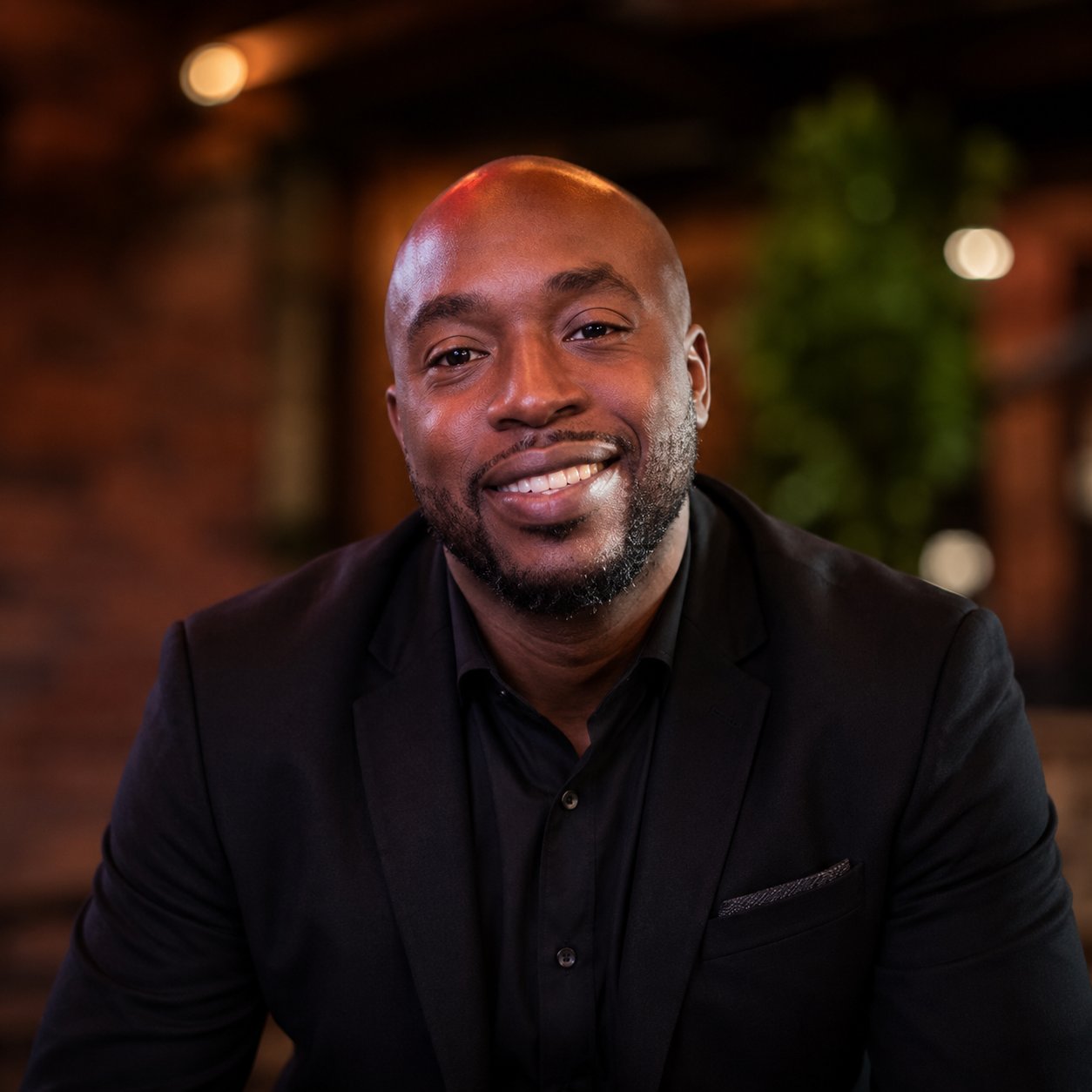
Built by Anthony Lefear
With over $10 million in real estate holdings and multiple successful RV parks developed from the ground up, Anthony Lefear has turned his passion for property development into a proven blueprint for success.
Rooted in an engineering and STEM background, Anthony approaches development with precision and vision — seeing every property not just for what it is, but for what it can become. From site selection and financing to design, development, and rentals, he guides aspiring owners through every step.
This directory is an extension of that mission. Built by someone who actually does this — so you can trust the information, the listings, and the vision behind it.
Our Goal
For years, finding Black-owned outdoor spaces hasn't been easy. Information is scattered, outdated, or hard to verify. This platform was built to change that.
"This is bigger than just camping. It's about ownership, representation, and building businesses that create opportunities in our communities."
Built by Someone Who Actually Does This
This platform was created by an RV park owner and developer who has spent years acquiring, building, and operating campgrounds and tiny home communities. This isn't theory — it's real experience.
Own a Campground?
If you own or know of a Black-owned campground, we want to include it. Our goal is to build the largest and most accurate directory in the country.
Disclaimer: Information is gathered from public sources and submissions. Campground owners are encouraged to claim and update their listings to ensure accuracy.
The History of African American Campgrounds
Understanding where we came from makes what we're building today even more powerful.
Segregation Shut the Outdoors Out
During the era of Jim Crow, Black Americans were legally barred from most national parks, campgrounds, and public outdoor spaces. Signs reading "Whites Only" appeared at park entrances, picnic areas, and swimming holes across the country. The great outdoors — a birthright for all Americans — was systematically closed off from Black families.
The Rise of Black-Owned Outdoor Spaces
In response to exclusion, Black entrepreneurs and communities began creating their own. Resorts, lakefront retreats, and campgrounds emerged across the South and Midwest — spaces where Black families could swim, fish, camp, and breathe freely. Idlewild in Michigan became known as "the Black Eden." These weren't just businesses — they were acts of defiance and self-determination.
Legal Access — But Barriers Remained
The Civil Rights Act of 1964 legally ended segregation in public spaces, including parks and campgrounds. But legal access didn't erase decades of exclusion — many Black families still felt unwelcome, unsafe, or simply unaware that these spaces existed for them. The gap between legal rights and lived experience remained wide.
Ownership Faded — But Never Disappeared
Many of the historic Black-owned resorts and campgrounds struggled or closed as integration drew patrons to previously whites-only venues. But a quiet network of Black-owned outdoor spaces persisted — passed down through families, sustained by communities, and largely invisible to the mainstream world. These were the seeds of what we are building today.
A New Generation of Black Outdoor Ownership
A new wave of Black entrepreneurs is reclaiming the outdoors. From RV parks in Texas to glamping retreats in Georgia, Black-owned campgrounds are growing across the country. Organizations and platforms like this directory are making them visible — connecting owners to guests, and guests to experiences they never knew were possible. The story is still being written. And we're proud to be part of it.
Be part of the next chapter.